Create an Enterprise Application
- Login to Azure at https://portal.azure.com
-
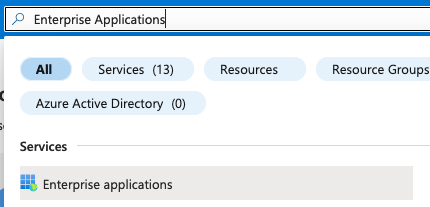
Navigate to the Enterprise Applications section of Entra ID.
-
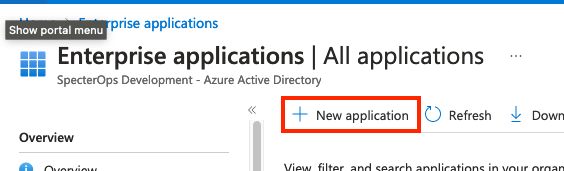
Click New Application.
-
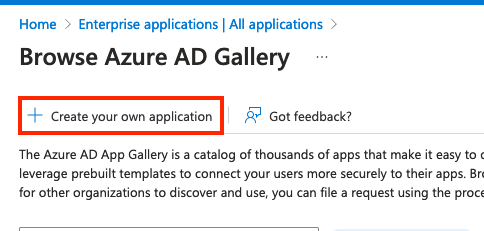
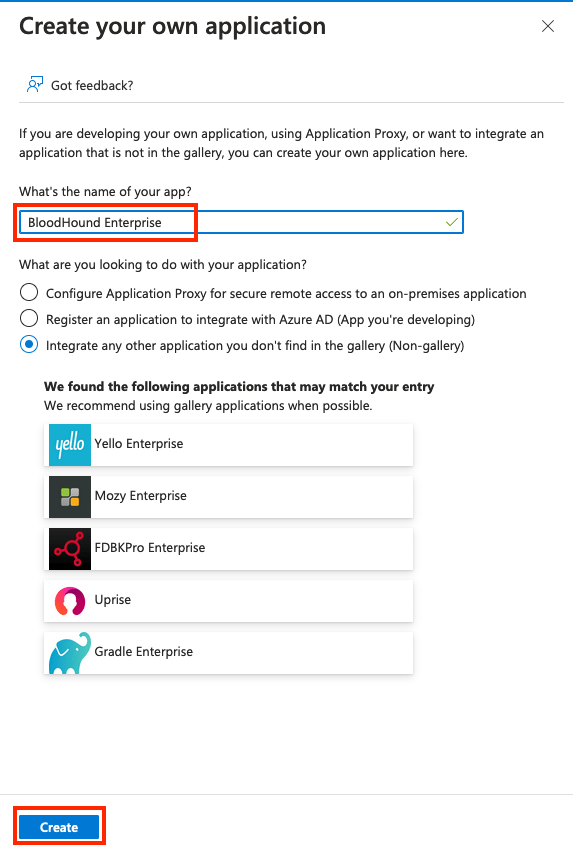
Click Create your own application.
-
Provide a name for your application and click Create.
Configure Single Sign-On Settings
-
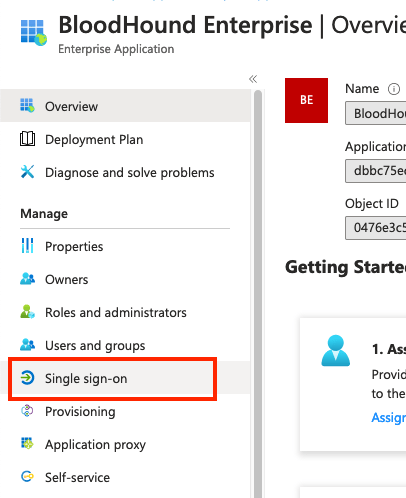
Your browser should redirect you to your newly created application. Click on Single sign-on.
-
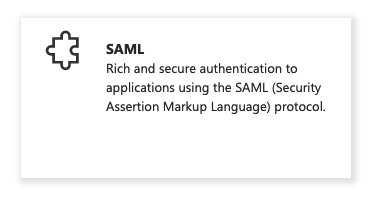
Click on SAML.
-
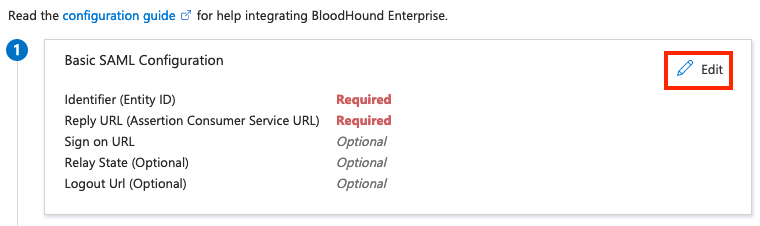
Click Edit under the Basic SAML Configuration section.
-
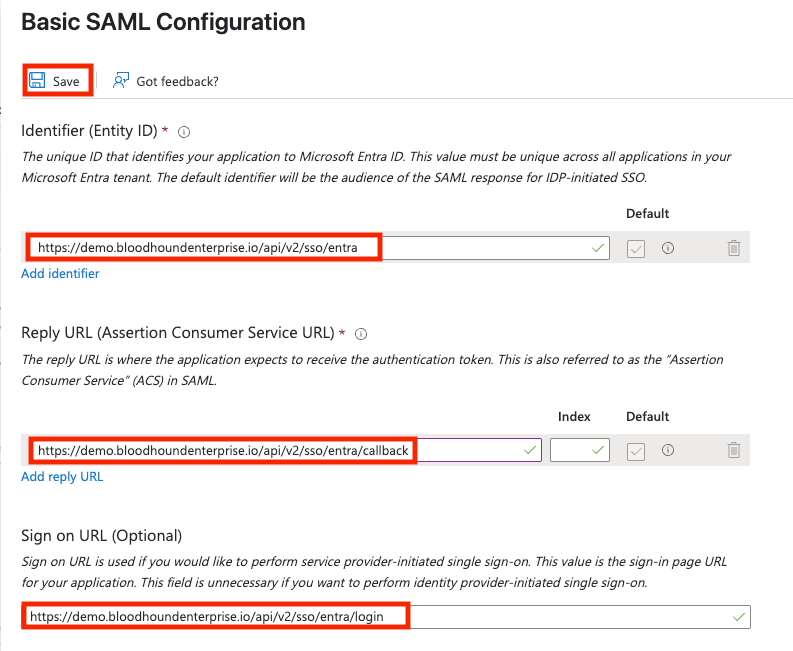
Configure SAML. The following screenshot shows the tenant codename is “demo” and the provider name is “entra”.
-
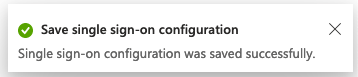
Azure will inform you the settings have saved successfully.
-
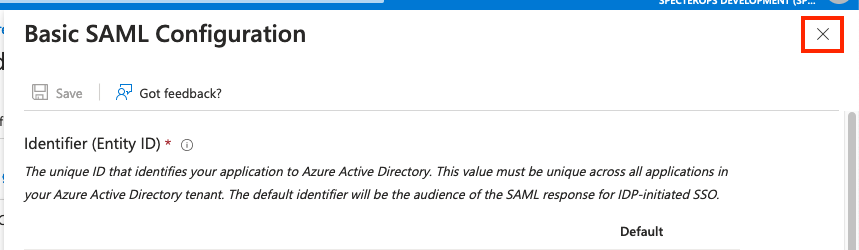
Click the X to close the dialog.
-
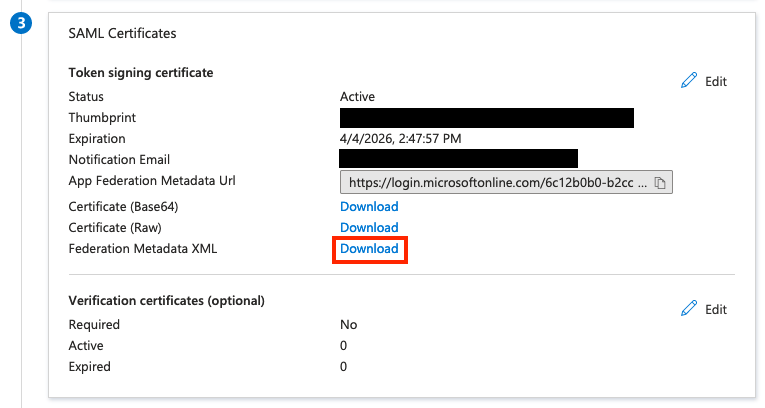
Scroll down to the SAML Certificates section and download the Metadata XML.
Restrict Access to BloodHound
Configure Entra ID assignments before you enable automatic user creation in BloodHound. This ensures that only the users and groups you select can authenticate and be provisioned.- In the application navigation menu, click Manage > Properties.
-
Set Assignment required? to Yes, then click Save.
Assignment required? defaults to No. When it is set to No, any authenticated user in the Entra ID tenant can sign in to the application, even if they are not assigned.If automatic user creation is enabled in BloodHound, those users can be provisioned with the configured default role.
-
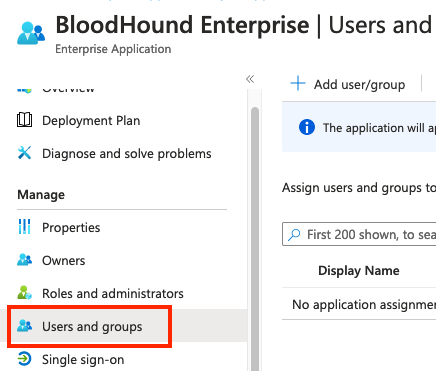
In the application navigation menu, click Manage > Users and groups. Assign the groups and users that you want to grant access to BloodHound.
-
Use the downloaded
metadata.xmlfile and follow the instructions at SAML in BloodHound Enterprise to create the SAML configuration in BloodHound.
Troubleshooting
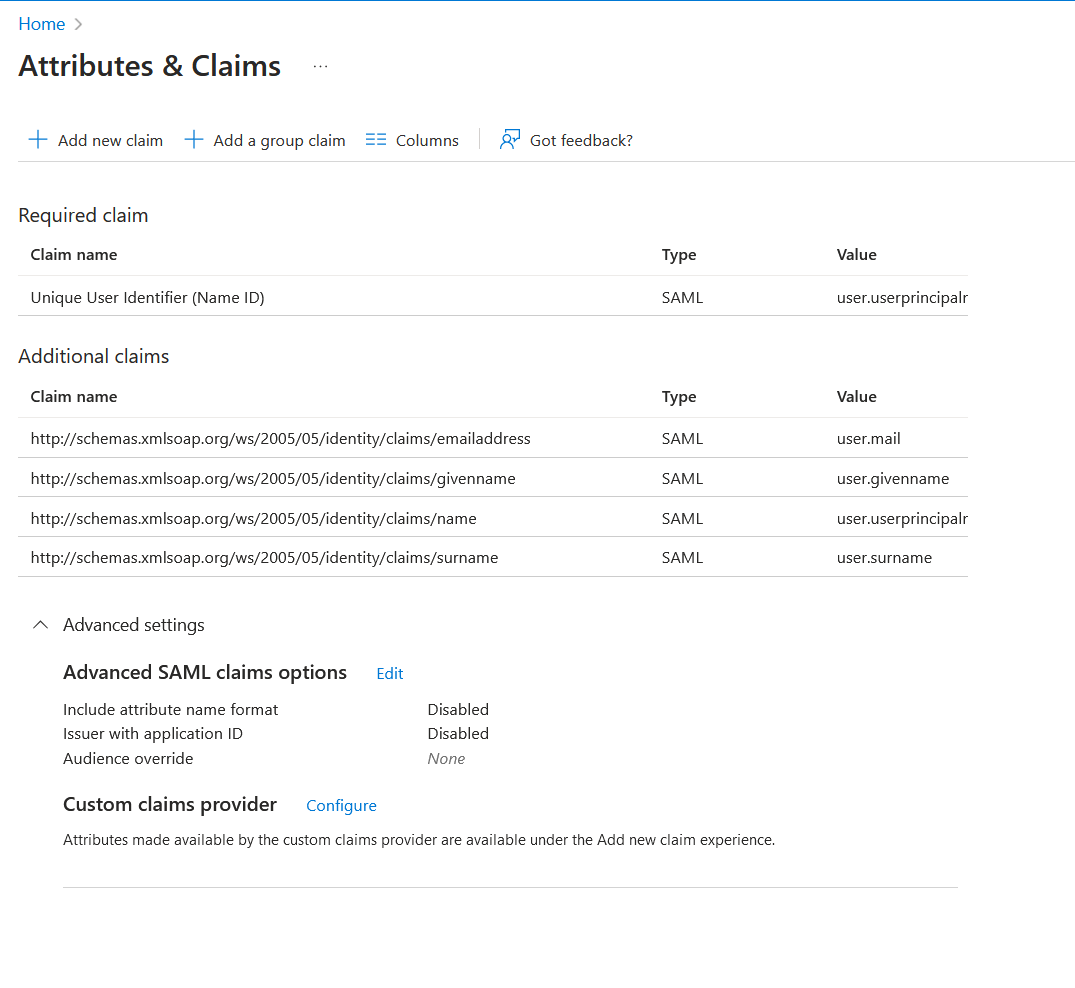
Verify your attributes and claims use a proper schema in the claim name, and that you have a properly mapped claim for “user.mail” as in the example below. An indicator that this is necessary is when an authentication attempt returns the response: “assertion does not meet requirements for user lookup”.